Understanding High Blood Pressure: Causes, Numbers and How to Lower It
10 June 2026 · By Cardio.mu · Updated 17 June 2026

High blood pressure, also called hypertension, is one of the most common health conditions in the world, and many people in Mauritius live with it. The good news is that it is also one of the most manageable. Understanding what the numbers mean and what you can do about them puts you back in control of your heart health.
What blood pressure actually measures
Every time your heart beats, it pushes blood through your arteries. Blood pressure is simply a measure of the force of that blood against the artery walls. It is written as two numbers, for example 120/80.
The top number (systolic) is the pressure when your heart beats and pumps blood out. The bottom number (diastolic) is the pressure when your heart rests between beats. Both numbers matter, and they are measured in millimetres of mercury (mmHg).
Understanding the numbers
As a general guide, blood pressure readings fall into these ranges for most adults:
- Normal: around 120/80 mmHg or below
- Slightly raised: roughly 120 to 139 over 80 to 89 mmHg
- High blood pressure: 140/90 mmHg or higher on repeated readings
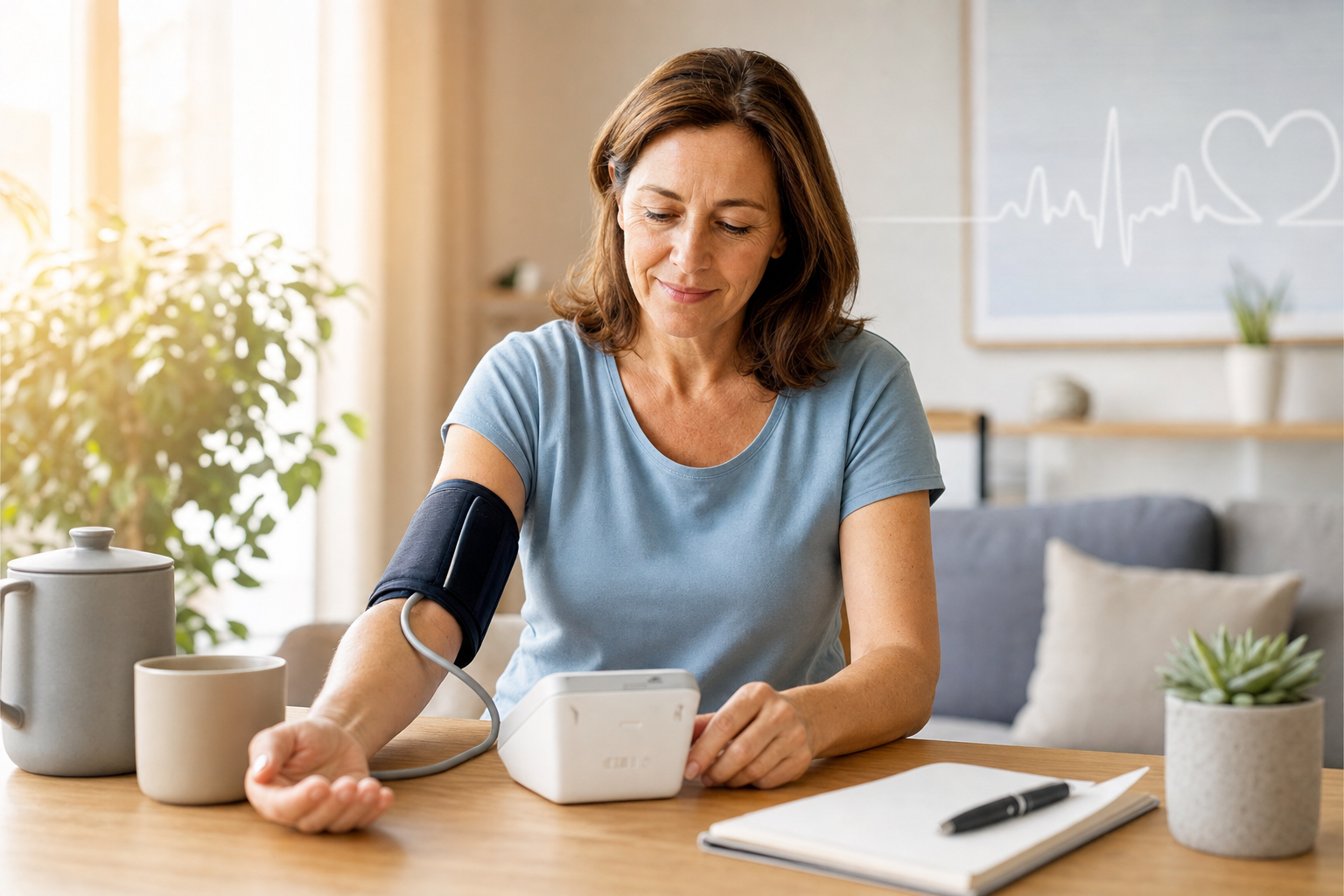
One high reading does not mean you have hypertension. Blood pressure naturally goes up and down through the day. It rises when you are stressed, in pain, rushing, or have just had coffee. A doctor diagnoses high blood pressure only after several readings on different days, sometimes using a home monitor or a 24 hour monitor for a clearer picture.
Why it is called the silent condition
Most people with high blood pressure feel completely normal. There are usually no symptoms at all, which is why regular checks matter so much. You cannot rely on how you feel to know your numbers.
Over many years, untreated high pressure quietly strains the heart, the arteries, the kidneys, and the eyes. This is why treating it early is worthwhile, even when you feel perfectly well. Treating the numbers protects your future health.
What causes high blood pressure
For most people, there is no single cause. This common type is called primary hypertension, and it builds up gradually over the years. Several things make it more likely:
- A family history of high blood pressure
- Getting older
- Being overweight or carrying extra weight around the middle
- Eating a lot of salt
- Low physical activity
- Drinking too much alcohol
- Smoking
- Long term stress and poor sleep
- Diabetes, which often goes hand in hand with high pressure
Less often, high blood pressure is caused by another medical problem, such as a kidney condition or a hormone issue, or by certain medicines. Your doctor may run simple tests to check for these.
When to seek care
It is sensible to have your blood pressure checked at least once a year, and more often if you already know your numbers run high. Many pharmacies in Mauritius and most clinics can check it quickly and free or at low cost.
See your doctor, without panic, if home readings are repeatedly 140/90 or above, or if you have diabetes, kidney problems, or a strong family history of heart disease.
Seek urgent medical help straight away if a very high reading (for example 180/110 or above) comes with chest pain, breathlessness, severe headache, blurred vision, weakness on one side of the body, or difficulty speaking. These are rare but need immediate attention.
How to lower your blood pressure
The encouraging part is that everyday changes make a real difference, and they often work alongside any medicine your doctor may prescribe.
- Reduce salt. Cook with less added salt, go easy on pickles, salted fish, stock cubes, and processed snacks, and taste before reaching for the salt shaker.
- Eat more fresh food. Plenty of vegetables, fruit, beans, lentils, and wholegrains support healthy pressure. Local produce makes this easy and affordable.
- Move your body. Aim for about 30 minutes of brisk walking most days. A daily walk along the coast or around your neighbourhood counts.
- Reach a comfortable weight. Even losing a few kilos can bring your numbers down.
- Limit alcohol and stop smoking. Both have a direct effect on your arteries.
- Sleep well and manage stress. Simple breathing, prayer, or quiet time each day genuinely helps.
If your doctor prescribes tablets, take them every day, even when you feel fine. Blood pressure medicines work only while you keep taking them. If you have side effects, talk to your doctor rather than stopping on your own, as there are many options and one can usually be found to suit you.
This article is general education and is not a substitute for personalised advice from your own doctor or healthcare team.
A calm takeaway
High blood pressure is common, usually silent, and very treatable. Knowing your numbers is the first and most powerful step. With regular checks, sensible eating, a little daily movement, and any medicine your doctor recommends, most people keep their blood pressure in a healthy range and protect their heart for years to come. Start with one small change this week, and build from there.
A healthy heart is central to a longer, healthier life. Explore the wider Medtech health ecosystem.